

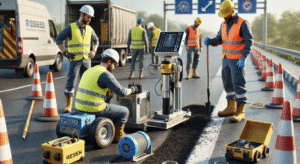
Launching an Asphalt Texture and Thickness Inspection (ATTI) testing business can be a powerful move for entrepreneurs looking to enter the construction and infrastructure sector. This field supports quality control in paving, road construction, and transportation development—industries that steadily grow alongside cities and infrastructure budgets. Whether you’re transitioning from construction, civil engineering, or technical inspection services, an ATTI testing business gives you a niche, professional lane with long-term growth potential.
Starting this business takes planning, industry knowledge, and a focus on accuracy and compliance. Here is your step-by-step roadmap to build a profitable ATTI testing company from the ground up.
No shortcuts, no fluff—just clear guidance.
Infrastructure is one of the most vital parts of a thriving economy, and the U.S. continues to invest billions in roadways, commercial development, industrial parks, and logistics hubs. ATTI testing plays an essential role in verifying asphalt quality, ensuring thickness accuracy, and confirming safety and performance standards before pavement is approved. When executed properly, it protects taxpayers, project owners, contractors, and engineers by validating the integrity of asphalt work.
Starting an ATTI testing business positions you at the intersection of construction quality assurance and public safety. The demand is high and consistent because government projects, private developers, and paving contractors all require this testing to maintain compliance and ensure long-term infrastructure performance. With the right preparation, skills, and setup, you can build a successful testing business that delivers trusted results and earns repeat clients across public and private sectors.
Understanding the ATTI Testing Business
ATTI testing involves evaluating asphalt pavement to measure thickness, density, compaction, and texture. These factors determine how long a roadway or surface will last under weather and traffic conditions. Your job is to provide accurate data so engineers and project managers can verify compliance with project specs and regulatory requirements.
Industries and clients that rely on ATTI testing include:
• Highway and transportation agencies
• Municipal planning departments
• Private contractors and paving companies
• Commercial construction firms
• Civil engineering consultants
• Airport and runway development groups
• Industrial site developers and logistics operators
ATTI testing is not only about technical equipment—it is about precision, reliability, and credibility. Clients choose firms that provide dependable reporting, accurate field inspection services, and compliance with industry standards.
Licensing, Certifications, and Training Requirements
Starting an ATTI testing business begins with obtaining proper education, certifications, and compliance credentials. Many states require asphalt testing technicians to hold certification through recognized training programs. Agencies such as state DOTs and nationally accepted certification bodies help qualify technicians.
Common certifications may include:
• Asphalt thickness & compaction certification
• Lab and field asphalt testing qualifications
• General construction materials testing certification
• OSHA safety training for field operation environments
Certification ensures that your results are trusted, accepted in court or government reviews, and respected by engineering firms. It also protects your business from liability and gives clients confidence in your capabilities.
You may also need a contractor license or specialty trade license depending on your state. Check with your state’s regulatory board and transportation department for guidance.
Equipment and Tools Needed to Get Started
This field requires precise instruments to collect and analyze asphalt thickness and texture. Standard equipment includes:
• Core drilling equipment
• Asphalt thickness gauges
• Density meters
• Texture meters / sand patch equipment
• Sample extraction tools
• Safety equipment and traffic control signage
• Field vehicle for transport
• Data reporting software or field tablets
Buying reliable equipment from industry-recognized suppliers ensures accuracy and quality. Some entrepreneurs begin with rented equipment before eventually upgrading to ownership as their business grows. Maintenance and calibration schedules are essential because even a small measurement inaccuracy can compromise your credibility.
Setting Up Business Structure and Insurance
Establishing a legal business structure protects you and builds trust with clients. Most owners choose:
• LLC
• S-Corporation
• C-Corporation
A lawyer or accountant can help choose the best option depending on your long-term growth goals. You will also need:
• General liability insurance
• Professional liability coverage
• Workers’ compensation if hiring staff
• Commercial auto insurance
Infrastructure and engineering work involves financial risk, so proper coverage is essential. Clients, especially government agencies, may require proof of insurance before awarding contracts.
Building Industry Partnerships
Partnerships play a big role in your business success. ATTI testing firms often collaborate with:
• Asphalt paving companies
• Civil engineering firms
• Builders and general contractors
• Government agencies
• Architects and project planners
• Roadway inspection and safety consultants
Introduce your business to industry contacts early. Attend construction association meetings, join local contractor networks, and build relationships with municipal engineering departments. Being visible and reliable helps secure referrals and long-term service contracts.
Developing Service Packages and Pricing
Your services may be structured by project type or hourly billing. Factors that influence pricing include:
• Equipment investment
• Labor and reporting time
• Travel to job sites
• Sample processing costs
• Project complexity and urgency
Offer pricing packages for:
• Single-day testing services
• Weekly and monthly service agreements
• Multi-site development testing
• DOT compliance testing packages
Transparent pricing builds trust. Offer clear breakdowns and professional proposals tailored to each client.
Marketing and Branding Your ATTI Testing Company
Branding matters. Position your company as trustworthy, precise, and reliable. Strong branding helps you gain credibility quickly.
Marketing assets to prioritize:
• Professional website with services and certifications
• Google Business listing and SEO
• Business LinkedIn page
• Flyers and proposal templates for engineers and contractors
• Branded uniforms, vehicles, and safety gear
Do in-person relationships too—construction is a reputation-built industry. Showing up on site professionally makes a strong impression.
Content examples for marketing:
• Case studies
• Educational blogs
• Safety and quality control posts
• Infrastructure updates and project highlights
Establishing authority earns trust—your clients rely on expertise to make infrastructure decisions.
Scaling and Growing Your ATTI Testing Operation
Once your business is stable, scaling may involve:
• Hiring certified field technicians
• Adding lab testing services
• Investing in advanced testing technology
• Expanding into municipal and state contracts
• Offering pavement condition surveys and consulting
Growth comes from excellence, consistency, and professional credibility. As infrastructure spending continues rising, demand for quality testing increases too. According to U.S. Infrastructure Law coverage via CNBC, billions are being deployed to upgrade roads, bridges, and transportation systems—meaning more work opportunities for qualified testing providers. Regulatory focus on infrastructure durability and public safety further strengthens market demand.
Industry monitoring and economic insight helps you stay competitive. See construction and public works updates through outlets like Bloomberg Business and related industry reporting. You can explore background information on asphalt design standards through Wikipedia as reference material.
Staying ahead of industry trends prepares your business to take on larger projects and diversified contracts.
Conclusion
Starting an ATTI testing business gives you a valuable role in infrastructure quality and long-term public safety. With the right certifications, equipment, business structure, and marketing strategy, you can build a company known for accuracy, reliability, and professional integrity. Your services help construction teams deliver durable, compliant, and safe roadways, parking lots, commercial developments, and municipal pavement systems.
As demand for infrastructure enhancement grows, skilled ATTI testing professionals are positioned to thrive. Build strong partnerships, communicate your value clearly, invest in proper equipment, and maintain high standards of precision. Your work protects communities, supports safe transportation systems, and allows contractors and public agencies to deliver trustworthy pavement performance.
Start well, stay committed, and build a business that stands the test of time—one core sample and one successful project at a time.