

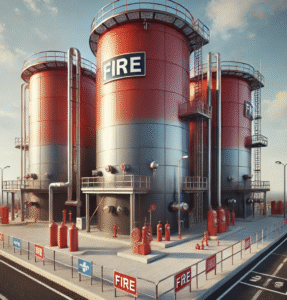
Starting a Fire Water Storage Tanks business can be a high-profit, high-impact venture, especially as commercial buildings, industrial sites, warehouses, agricultural operations, and municipalities are increasingly required to comply with fire protection regulations. These tanks are not optional—they are often mandated by safety codes, insurance companies, and local authorities. That means there is consistent demand. But like any business in construction, manufacturing, or safety services, success requires careful planning, strategic positioning, and operational excellence.
Below are proven tips to launch and grow a fire water storage tank company with confidence—even in a competitive market.
Fire protection infrastructure is no longer a luxury—it’s a necessity. Whether it’s storing thousands of gallons of water for emergency use or installing full turnkey fire suppression support systems, businesses and governments rely on trusted providers to ensure safety and compliance. That’s why starting a Fire Water Storage Tanks business is both lucrative and meaningful. The key is setting a strong foundation from the very beginning.
This industry blends engineering, construction, regulatory compliance, and customer service. You’re not just selling tanks—you’re selling peace of mind, legal compliance, and life-saving solutions. To win in this market, you need to understand demand, build credibility, align with regulations, and operate with precision.
Let’s break down the essential steps for launching a successful fire water storage tank business.
Understand Industry Demand and Target Markets
The demand for fire water tanks comes from several sectors, and understanding each one helps you tailor your messaging and services.
Commercial and Industrial Facilities
Manufacturing plants, logistics centers, data centers, and power plants require large-scale fire water reserves to meet insurance and legal standards.
Agriculture and Rural Properties
Farms and remote properties often lack immediate fire department access, increasing the need for on-site water storage.
Municipalities and Government Contracts
Cities, towns, and military bases invest heavily in fire protection systems. These contracts are large but require strong qualifications.
Construction and Development Projects
Developers prefer turn-key providers who can supply, install, and maintain fire water tanks from start to finish.
When you identify your core customers, you can build specialized marketing and pricing models to attract them.
Learn Fire Protection Codes and Regulations
Compliance is everything in this business. Fire water storage tanks must meet specific standards set by the NFPA (National Fire Protection Association) and local building codes.
You must understand:
-
NFPA 22 (Standard for Water Tanks for Private Fire Protection)
-
Local permitting requirements
-
Seismic and wind load requirements
-
Environmental regulations
-
OSHA safety standards
Clients expect expertise. If you can explain regulations and guide them through the approval process, you become more than a vendor—you become a trusted advisor.
Choose Your Business Model and Services
Decide whether you will:
-
Manufacture tanks
-
Distribute and install pre-manufactured tanks
-
Offer maintenance and inspection services
-
Provide turnkey design-build solutions
-
Rent temporary fire suppression tanks
-
Add related services (piping, pumps, liners, coatings, sensors)
A layered service model increases your income. For example, selling a tank once is good—but maintaining it annually creates recurring revenue.
Build Strong Supplier and Manufacturer Partnerships
High-quality tanks require trusted sources. You can either manufacture your own or partner with established manufacturers.
If you partner, choose suppliers that provide:
-
High-grade steel, fiberglass, or concrete tanks
-
Competitive pricing
-
Customization options
-
Fast delivery
-
Warranties and certifications
You must also build relationships with pump suppliers, liner manufacturers, coating companies, and fire suppression system integrators. The stronger your supply chain, the smoother your operations.
Invest in Proper Licensing, Insurance, and Certifications
Because you are dealing with safety-critical infrastructure, credibility matters. Make sure to secure:
-
Business license
-
Contractor license (if installing tanks)
-
Engineering or PE partnerships
-
Liability insurance
-
Workers’ compensation
-
Bonding (for government or large contracts)
-
OSHA training/certifications
Certifications such as NFPA training or API/UL listings can help differentiate your business.
Develop a Skilled Team and Train Them Well
Your team is the backbone of your operations. You need reliable professionals such as:
-
Project managers
-
Engineers or consultants
-
Installation technicians
-
Welders or fabricators (if manufacturing)
-
Safety supervisors
-
Sales and customer service professionals
Because this industry is highly technical, consistent training is essential. A knowledgeable team builds trust and prevents costly mistakes.
Focus on Marketing, Branding, and Positioning
Fire protection is a serious industry. Clients want experts—not amateurs. Your brand must communicate reliability, compliance, and professionalism.
Effective marketing strategies include:
-
A professional website with project photos and certifications
-
SEO targeting keywords like “fire water storage tank company near me” or “fire suppression water tank installation”
-
Case studies and testimonials
-
LinkedIn and B2B networking
-
Listing on government contractor portals (SAM.gov)
-
Partnering with fire protection engineers, contractors, and architects
-
Featuring industry-specific blogs, videos, and technical guides
Over time, your reputation becomes your most valuable asset.
Offer Consultative Selling Instead of Just Pricing
Most buyers don’t fully understand fire water tank requirements. They often start with “How much does a tank cost?” But the real conversation should be about:
-
Required capacity
-
Local fire codes
-
Site access
-
Budget options
-
Future expansion needs
-
Maintenance requirements
When you educate clients instead of just quoting, you position yourself as the obvious choice.
Prioritize Quality, Safety, and Reliability
Every tank you install represents your brand. Cutting corners to save money can destroy your reputation. Make quality non-negotiable.
Focus on:
-
High-grade materials
-
Structural integrity
-
Leak prevention
-
Corrosion resistance
-
Accurate installation
-
Proper anchoring and supports
-
Backup power for pumps
Clients will pay more for safety and reliability—especially when human lives and property are at stake.
Implement Strong Project Management and Documentation
In this field, precision matters. Track every job with:
-
Detailed estimates
-
Permitting documents
-
Engineering drawings
-
Material specifications
-
Inspection reports
-
Change orders
-
Maintenance logs
Efficient project management reduces delays, prevents misunderstandings, and keeps costs under control.
Build Recurring Revenue Through Service Contracts
Once a tank is installed, it must be maintained. Offer:
-
Annual inspections
-
Cleaning and internal inspection
-
Liner repairs or replacement
-
Pump servicing
-
Leak prevention
-
Emergency response and repair services
These ongoing services provide steady cash flow and customer loyalty.
Stay Informed on Industry Trends and Technology
This industry continues to evolve with new materials, automation, and monitoring technology. Smart tanks with sensors can detect leaks, measure water levels, and alert operators remotely.
Following business news and industry developments keeps you ahead of competitors. For example, according to CNBC’s latest infrastructure reports (CNBC), government investments in safety and construction create long-term opportunities for companies providing critical systems like storage tanks.
Additionally, global supply chain updates from sources such as Bloomberg (Bloomberg) can help you anticipate material cost changes and manage your pricing strategy effectively.
To understand the overall role of water storage in fire protection systems, you can reference educational resources like Wikipedia’s Fire Protection page (Wikipedia), which provides foundational insight into how these systems are used worldwide.
Manage Cash Flow and Pricing with Precision
Fire water tank projects can be capital-intensive. Materials, equipment, labor, and transportation add up quickly. Be clear on your pricing structure and always protect your profit margins.
Track all expenses, negotiate supplier discounts, consider leasing equipment, and use progress billing to maintain positive cash flow.
According to Forbes’ small business trends articles (Forbes), businesses that monitor finances closely and reinvest strategically grow faster and survive longer.
Conclusion
Starting a Fire Water Storage Tanks business isn’t just about selling a product—it’s about protecting lives, supporting infrastructure, and providing safety solutions for the future. When you master regulations, build credibility, cultivate partnerships, train your team, and position your business as an expert resource, success becomes not just possible—but predictable.
This industry offers high margins, consistent demand, and recurring revenue opportunities. With strong operations, smart marketing, and an unwavering commitment to quality, you can build a company that stands out as the trusted leader in fire protection infrastructure.
Now is the perfect time to step into this essential industry, deliver premium value, and grow a business that matters. 🚀