

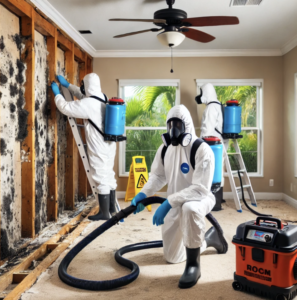
Fort Myers is a place where sunshine sells the dream—and humidity tests the walls. Between coastal moisture, seasonal storms, older housing stock, and the year-round demand for healthy indoor spaces, mold remediation isn’t just a “nice-to-have” service in Southwest Florida. It’s a steady, practical business opportunity for someone willing to run it the right way: safely, legally, and with systems that protect cash flow.
This article walks through what it actually takes to start a Fort Myers mold remediation business—from setup and training to pricing, insurance workflows, and local reputation-building—so you can launch with confidence and grow without chaos. 😌
Understand the Market Reality in Fort Myers (And Why It’s Built for Demand)
Mold remediation sits at the intersection of real estate, insurance, construction, and public health—which means demand doesn’t rely on one single “season.” When hurricanes, plumbing failures, roof leaks, HVAC issues, and high humidity collide, property owners need help fast. That’s why restoration and remediation companies often lean on recurring service demand tied to weather patterns and property claims.
In Florida, the insurance environment also influences the flow of work, especially when homeowners face changes in coverage, deductibles, and claim scrutiny—factors that can push customers toward faster mitigation and documented professional remediation. Keeping an eye on Florida’s insurance business landscape is part of running a smart remediation operation. For example, shifts in Florida’s property insurance market have been widely covered by major outlets like Reuters and the Associated Press. Reuters coverage of Florida’s property insurance market and AP reporting on Florida insurers’ recent financial performance can help you understand what’s shaping claim volume, approvals, and timelines.
Choose a Business Model That Matches Your Strengths (Owner-Operator vs. Company Builder)
Before you buy equipment or design a logo, decide what you’re building:
If you want to be hands-on in the field, you’ll lean into a high-skill owner-operator model. You’ll focus on technical excellence, fast response, and building referral relationships with plumbers, property managers, and realtors.
If you want to build a company (not just a job), you’ll design systems early: dispatch, job documentation, customer communication, collections, technician training, and vendor partnerships. This model scales faster but demands more structure up front.
Either way, you’re not “starting a mold business.” You’re starting an operations-heavy service company that must be safe, compliant, and documented like a professional contractor—because the work can impact health, liability, and property value. If you want a solid baseline understanding of mold as an indoor issue, start here: Indoor mold (Wikipedia).
Get Training and Build Credibility Before You Advertise
In remediation, trust is everything—especially when customers are scared, overwhelmed, or dealing with insurance.
Even if Florida doesn’t require a single “mold remediation license” in the same way some trades require, you still need legitimate training, defined safety practices, and a defensible scope of work. Many successful operators pursue industry-recognized credentials (often including water damage restoration and applied microbial remediation training). This is also where you learn containment, negative air setup, proper PPE use, cleaning methods, and documentation.
On the business side, the restoration industry has been tracking trends around demand, revenue expectations, and operational headwinds. Industry outlets like Restoration & Remediation and C&R Magazine can give you a business-minded view of what’s ahead and how operators are protecting profitability. These are useful reads when you’re shaping your plan and pricing structure: 2024 restoration industry trends and what’s coming and how restorers are navigating 2025 financial pressure.
Set Up the Business the Right Way (So You Don’t Lose Money to Chaos)
The fastest way to turn a “great service” into a stressful mess is weak back-office setup. Mold remediation can be profitable, but only if you control job costs and collect on time.
A clean startup checklist looks like this:
Form your entity (most choose an LLC), get an EIN, open a business bank account, and separate finances immediately.
Choose accounting software and track every job as its own “mini project.” Labor, materials, equipment time, disposal fees, and third-party testing costs must be traceable.
Create standard paperwork: inspection checklist, scope-of-work template, change order, photo documentation process, invoice template, and customer authorization.
Build a customer communication system: missed calls and slow replies cost money in this business. Customers want speed, clarity, and calm. 😌
If you want to think like a modern small business owner, it helps to follow broader small business trend reporting—especially around automation, online buying behavior, and digital visibility. The U.S. Small Business Administration publishes useful business trend guidance that helps shape how you market and operate as a local service brand: SBA: Small business trends for 2025.
Buy Equipment in Layers (Don’t Overspend Before You Have Cash Flow)
You do not need to buy everything on day one. Start with what you must have to operate safely and professionally, then expand as job volume grows.
Typical early essentials include:
PPE and safety supplies (respirators, filters, gloves, suits)
Containment materials (poly sheeting, tape, zipper doors)
Air filtration (HEPA air scrubbers)
Moisture detection and documentation tools (moisture meter, hygrometer)
Cleaning tools and EPA-appropriate antimicrobial solutions (used correctly and documented)
As you grow, you can add specialty equipment and redundancy (extra air scrubbers, dehumidification systems for water-loss crossover work, thermal imaging, more negative air machines).
The key is to match equipment spending to realistic monthly job volume. Profit disappears quickly when payments are late and equipment debt is high.
Price Like a Business, Not Like a Helper
In Fort Myers, customers range from homeowners paying out-of-pocket to property managers juggling multiple units to insurance-driven jobs with strict documentation requirements.
A smart pricing structure usually includes:
Inspection/assessment fee (often credited back if they book the job)
Clear “tiers” based on affected area size, containment complexity, and severity
Line items for demo, cleaning, HEPA filtration days, disposal, and rebuild coordination (if you offer it)
Optional add-ons like post-remediation cleaning or coordination with testing
If you plan to work insurance jobs, build your pricing and documentation to match claims expectations. Late payments are a known stress point in the restoration world, which is why many operators diversify into private-pay work to stabilize cash flow. Industry reporting has highlighted this exact strategy as a survival advantage. C&R Magazine’s business take on 2025 restoration headwinds is a good example of the “why” behind building a balanced revenue stream.
Build Referral Relationships That Feed Your Calendar Every Month
If you want consistent leads in Fort Myers, your referral network matters just as much as your website.
High-value referral partners include:
Plumbers (leaks drive mold problems)
HVAC companies (humidity and duct issues)
Roofers (intrusion problems)
Property managers (recurring unit turnover needs)
Realtors and inspectors (transactions surface mold concerns)
Public adjusters (when claims get complex)
And because Florida’s housing environment is deeply tied to storm resilience and repair spending, pay attention to programs and coverage topics that influence homeowner decisions. Even home-hardening and mitigation programs can shift how owners think about preventing damage—and who they hire when moisture events happen. Kiplinger on Florida home-hardening funding is one example of business-relevant consumer policy news that can affect demand and contractor activity.
Market Like a Local Pro (Not a Generic Cleanup Company)
Fort Myers customers want to know three things fast:
Can you get here quickly?
Will you keep my home safe?
Will you document it clearly?
Your marketing should reflect that. Keep it simple and local:
A clean Google Business Profile with real photos, service areas, and consistent posting
A website page dedicated to Fort Myers mold remediation (with clear service descriptions)
A “what to expect” section that emphasizes containment, HEPA filtration, and documentation
A review strategy that asks every satisfied customer for feedback immediately after completion
Content that explains moisture causes, prevention tips, and what professional remediation includes (without fear-based language)
Your brand should feel calm, competent, and steady—because mold issues already feel stressful. 🧡
Conclusion: Start Smart, Stay Documented, and Build a Name People Trust ✅
Starting a Fort Myers mold remediation business can become an incredible long-term company—especially if you treat it like a professional operation from the beginning. Get trained, set up your systems, price for profit, document everything, and build relationships that keep your schedule full.
The businesses that win in restoration aren’t just the ones who can “do the work.” They’re the ones who can run the business—manage cash flow, protect liability, communicate clearly, and show up fast when people need help the most. 🌴💪