

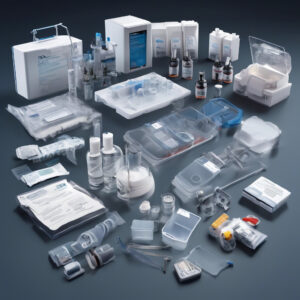
Starting a lab pack business in Philadelphia can be a lucrative and fulfilling venture, especially if you have an interest in hazardous waste management and compliance with environmental regulations. Lab pack services involve the safe collection, categorization, packing, and disposal of hazardous chemicals and materials, often from laboratories, schools, medical facilities, and industrial sites. This guide will walk you through the essential steps to start your lab pack business in Philadelphia, ensuring compliance with local, state, and federal regulations.
The Lab Pack Industry
The lab pack industry provides vital services to organizations that generate hazardous waste. The proper disposal of chemicals, solvents, and other hazardous materials is a legal requirement under the Resource Conservation and Recovery Act (RCRA) and other environmental laws. Businesses and institutions that rely on lab pack services include:
- Hospitals and healthcare facilities
- Academic and research laboratories
- Manufacturing plants
- Environmental testing labs
- Public schools and universities
Philadelphia, being a hub for research and industrial activities, presents significant opportunities for entrepreneurs in this sector. However, starting a lab pack business requires a deep understanding of hazardous waste management, extensive training, and strict adherence to regulatory compliance.
Conduct Market Research
Understand Your Target Market
Identify the types of clients who will need your services. In Philadelphia, potential clients may include:
- The University of Pennsylvania and other educational institutions
- Local hospitals like Jefferson Health and Penn Medicine
- Pharmaceutical companies and biotech firms
- Public sector organizations, such as city schools and government labs
Assess the Competition
Research existing lab pack providers in Philadelphia. Evaluate their services, pricing, and customer reviews to identify gaps you can fill. Some key players might specialize in specific industries, leaving room for niche services such as pharmaceutical waste disposal or high-hazard chemical management.
Regulatory Landscape
Familiarize yourself with Pennsylvania’s Department of Environmental Protection (PA DEP) regulations and federal guidelines from the Environmental Protection Agency (EPA). Understanding local waste disposal facilities and permits will also inform your business planning.
Develop a Business Plan
A solid business plan is crucial for securing financing and outlining your path to success. Key components should include:
Executive Summary
Provide an overview of your business, including your mission statement, services, and goals. For example:
- Mission: “To provide safe, compliant, and efficient lab pack services to organizations in Philadelphia, protecting the environment and public health.”
Service Offerings
Detail the services you will offer, such as:
- Inventorying hazardous materials
- Packing and labeling chemicals
- Transporting waste to approved facilities
- Emergency spill response
Financial Projections
Estimate startup costs, such as:
- Equipment (e.g., personal protective gear, spill kits, DOT-approved containers)
- Vehicles for hazardous material transport
- Training and certifications
- Insurance and permits
Marketing Strategy
Outline how you will attract clients. Leverage Philadelphia’s industrial and academic networks, attend environmental compliance seminars, and utilize online marketing channels.
Obtain Necessary Certifications and Permits
RCRA Training and Certification
Ensure you and your staff complete the necessary RCRA training for handling and disposing of hazardous waste.
DOT Compliance
Obtain Department of Transportation (DOT) certification for transporting hazardous materials. This includes:
- Training in proper labeling, packaging, and documentation
- Understanding of Philadelphia-specific transport regulations
Business Licenses and Permits
Register your business with the city of Philadelphia and acquire:
- A hazardous waste generator ID from the EPA
- Permits from the PA DEP for waste storage or transfer facilities, if applicable
Insurance Coverage
Secure comprehensive insurance, including general liability, pollution liability, and workers’ compensation.
Build Your Team and Infrastructure
Recruit Qualified Staff
Hire individuals with experience in environmental science, chemistry, or hazardous waste management. All employees must undergo safety training and certification.
Acquire Equipment and Vehicles
Invest in specialized equipment for safe handling and transportation of hazardous materials, including:
- DOT-approved containers
- Spill containment tools
- Personal protective equipment (PPE)
Establish a Base of Operations
Find a suitable facility in Philadelphia for administrative tasks, equipment storage, and vehicle parking. Ensure compliance with local zoning laws.
Develop Relationships with Disposal Facilities
Partner with EPA-approved treatment, storage, and disposal facilities (TSDFs) in Pennsylvania or neighboring states. Building strong relationships with these facilities ensures the efficient disposal of hazardous waste and compliance with regulatory requirements.
Market Your Services
Online Presence
Create a professional website detailing your services, certifications, and contact information. Use search engine optimization (SEO) to attract local clients searching for lab pack services in Philadelphia.
Networking and Outreach
Attend industry events, environmental forums, and local business gatherings to build connections. Offer free consultations to potential clients to demonstrate your expertise.
Referrals and Partnerships
Establish partnerships with environmental consultants and compliance officers who can refer clients to your business.
Prioritize Safety and Compliance
Safety and compliance are the cornerstones of a successful lab pack business. Regularly review and update your procedures to align with changes in regulations. Conduct routine audits and drills to ensure your team is prepared for emergencies.
Conclusion
Starting a Philadelphia lab pack business requires meticulous planning, regulatory knowledge, and a commitment to safety. By conducting thorough market research, obtaining necessary certifications, building a skilled team, and prioritizing compliance, you can establish a reputable and successful business in this vital industry. Philadelphia’s vibrant academic and industrial landscape provides ample opportunities for growth, making now an ideal time to launch your venture. With dedication and expertise, your lab pack business can thrive while contributing to a cleaner, safer environment.