

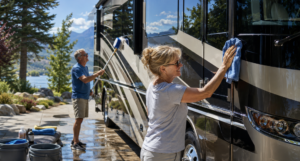
An RV is more than a vehicle. It can be a vacation home, a retirement dream, a mobile office, or an important part of a family’s travel plans. For some owners, it is also a business asset used for rentals, events, mobile services, or promotional travel. Regardless of how an RV is used, keeping it clean and protected is a practical part of preserving its appearance, performance, and long-term value.
Professional-looking maintenance is often associated with successful businesses because it demonstrates care, consistency, and attention to detail. The same principle applies to recreational vehicles. A clean, well-maintained RV creates a stronger impression, helps protect exterior surfaces, and may make the vehicle more appealing when the time comes to rent, trade, or sell it.
Regular RV Wash and Wax maintenance is therefore more than a cosmetic task. It is a sensible investment strategy that can help owners protect one of their most valuable recreational assets while avoiding the neglected appearance that can develop after years of exposure to the road and weather.
An RV Is a Significant Financial Asset
The modern RV market includes everything from lightweight travel trailers to luxury motorhomes with residential kitchens, advanced electronics, and high-end furnishings. Buyers frequently invest substantial amounts of money in these vehicles, making preventive maintenance an essential part of responsible ownership.
Information published in national business news from Reuters regularly illustrates how consumers and companies respond to changing prices, financing conditions, fuel expenses, and broader economic trends. These forces can affect discretionary purchases such as recreational vehicles. When replacement costs rise or household budgets tighten, protecting an existing RV becomes even more important.
Routine exterior maintenance cannot prevent every mechanical problem, but it can help preserve the visible condition of the vehicle. Exterior appearance carries considerable weight when buyers evaluate a used RV. Faded surfaces, black streaks, oxidation, road film, and neglected seals can suggest that other parts of the vehicle may also have been overlooked.
A clean exterior sends a different message. It shows that the owner has invested time and effort in caring for the RV. That impression can support buyer confidence and contribute to a smoother resale process.
Cleanliness Supports Long-Term Value
Every trip exposes an RV to environmental contaminants. Dust, mud, pollen, insects, bird droppings, tree sap, road salt, exhaust residue, and campground debris can collect across the roof, sidewalls, windows, trim, and lower panels. If this material remains in place, it can make the exterior increasingly difficult to restore.
Sunlight creates another challenge. Extended ultraviolet exposure can contribute to fading and deterioration on painted, gel-coated, plastic, rubber, and vinyl surfaces. Moisture can also settle around seams, trim pieces, vents, and accessories, particularly when dirt prevents surfaces from drying evenly.
Washing removes accumulated grime before it becomes deeply embedded or stains vulnerable materials. Waxing or applying an appropriate protective finish adds another layer of defense while improving gloss. The result is an RV that looks better at home, in storage, on the highway, and at the campground. ✨
The Associated Press Business Highlights covers many of the financial decisions affecting consumers and companies. One lesson found throughout the business world is that maintaining an existing asset is often more economical than allowing its condition to deteriorate and then paying for extensive restoration or premature replacement.
Preventive Care Is a Smart Business Principle
Preventive maintenance is common in nearly every successful industry. Companies inspect equipment, service vehicles, clean facilities, and address small concerns before they become expensive problems. RV owners can use the same disciplined approach.
According to the general definition provided by Wikipedia’s overview of business, business activity involves producing, buying, or selling goods and services. It also depends on managing resources effectively. Although a privately owned RV may not generate income, it remains a financial resource that deserves thoughtful management.
A practical exterior-care schedule helps reduce the temptation to postpone maintenance indefinitely. Owners can wash the RV after long trips, inspect the exterior during cleaning, and apply protection according to product instructions and the condition of the surface. This routine also provides an opportunity to notice loose trim, aging sealant, small cracks, damaged vents, or other visible concerns.
Cleaning does not replace a professional inspection, but it encourages owners to look closely at areas that might otherwise be ignored. Discovering a small concern early may help prevent a more disruptive repair later.
Appearance Matters for RV Rental Businesses
The financial case becomes even stronger when an RV is used commercially. Peer-to-peer rental platforms and independent rental companies allow owners to generate revenue from motorhomes, camper vans, and travel trailers. In this setting, exterior presentation directly affects the customer experience.
Rental customers usually expect the RV to appear clean, welcoming, and ready for travel. A stained or heavily oxidized exterior can weaken confidence before the renter even steps inside. A glossy, carefully maintained vehicle is more likely to create a positive first impression and photograph well for online listings.
Business owners understand that product presentation influences perceived value. Coverage from CNBC Business frequently examines consumer behavior, changing markets, and the decisions companies make to remain competitive. In the RV rental market, professional presentation can help distinguish one listing from another.
Clear photographs of a polished RV may attract more attention than photographs of a vehicle covered with streaks, dull patches, and road grime. Cleanliness will not compensate for poor service or mechanical problems, but it is an important part of delivering a professional rental experience.
A Maintained RV Strengthens Buyer Confidence
Used RV buyers look for signs that a vehicle has been respected. They may inspect service records, tires, appliances, plumbing systems, the roof, seals, upholstery, and exterior surfaces. A spotless exterior does not guarantee perfect condition, but neglect can immediately create doubt.
A prospective buyer who sees oxidation, embedded stains, dirty awnings, or neglected trim may begin estimating the cost of restoration. That buyer may also wonder whether the roof, generator, brakes, and mechanical systems received the same limited attention. These concerns can influence negotiations and reduce the amount someone is willing to pay.
Financial reporting from Forbes Business often focuses on asset management, entrepreneurship, investment, and consumer markets. Those subjects reinforce a familiar principle: value depends not only on what an asset originally cost but also on how well it has been managed over time.
Documentation can add credibility. Owners may keep receipts for cleaning products, professional detailing, seal inspections, roof maintenance, and repairs. A record of consistent care provides more substance than simply claiming that the RV was well maintained.
Regular Care Can Reduce Restoration Work
An RV that receives routine attention is generally easier to clean than one that has been neglected for several seasons. Frequent washing prevents layer after layer of contamination from building up. Appropriate surface protection can also make later cleaning more manageable because grime has less opportunity to bond directly with the finish.
Neglected exteriors can require extensive correction. Owners may need specialized products, repeated cleaning, oxidation removal, decal replacement, or professional detailing. Severely weathered surfaces may never return fully to their original appearance without significant restoration work.
The Wall Street Journal’s business coverage tracks industries, consumer spending, companies, and economic conditions. From a financial perspective, small recurring maintenance expenses are easier to plan for than a large, unexpected restoration bill. That logic applies to homes, commercial equipment, automobiles, boats, and recreational vehicles.
Consistency remains more valuable than occasional bursts of effort. A manageable maintenance schedule spread throughout the year can protect the RV without turning exterior care into an overwhelming project.
Different RV Surfaces Require Appropriate Products
RV exteriors are not all constructed from the same materials. A motorhome may include painted sections, fiberglass, gel coat, aluminum, plastic trim, rubber seals, vinyl graphics, glass, and coated metal. Products that work well on one surface may not be suitable for another.
Owners should follow the RV manufacturer’s care instructions and read product labels carefully. Harsh household cleaners, abrasive tools, and overly aggressive pressure washing can cause damage. Strong chemicals may discolor trim, degrade graphics, or affect sealants. Excessive water pressure near seams and openings may also create unnecessary risk.
A safe process begins with working in suitable weather, rinsing loose debris, using an appropriate cleaner, and washing with nonabrasive tools. The RV should be cleaned in manageable sections so soap does not dry on the surface. Protective products should then be applied only to compatible materials and according to the manufacturer’s directions.
Industry developments, manufacturing trends, and supply-chain conditions are regularly reported by Bloomberg Business. As vehicle materials and protective products continue to evolve, owners benefit from checking current care recommendations instead of relying on methods developed for older automotive finishes.
Exterior Maintenance Protects a Personal Brand
Some RVs serve as mobile business spaces. Consultants, traveling vendors, content creators, photographers, pet groomers, event professionals, and promotional teams may use recreational vehicles while working. In these situations, the exterior becomes part of the company’s public presentation.
A dirty or weathered vehicle can conflict with a business that promises professionalism and quality. A clean RV supports a more polished image, particularly when logos or branded graphics are displayed on the exterior. Customers may see the vehicle at events, job sites, campgrounds, parking areas, and along the highway.
Business reputation is built through many small signals. Clean equipment, organized workspaces, responsive communication, and consistent branding all contribute to customer trust. Maintaining a business RV reflects the same attention to detail expected in other parts of the company. 🚐
Seasonal Maintenance Makes the Work Manageable
A seasonal schedule can help owners stay consistent. Spring cleaning removes residue accumulated during winter storage and prepares the vehicle for upcoming travel. Summer maintenance addresses insects, dust, tree sap, and road film. Fall cleaning removes contaminants before the RV is covered or placed in storage.
Owners should pay particular attention after coastal trips, winter travel, long highway journeys, or stays under trees. Salt, insects, sap, and environmental fallout are easier to address when they are fresh. Allowing them to remain for months may increase staining and make removal more difficult.
The roof should also be included in an overall maintenance routine, using procedures and products approved for its specific material. A dirty roof can send streaks down freshly washed sidewalls during rain. Cleaning from the top downward helps avoid repeating completed work.
Storage conditions influence the schedule as well. Covered storage may reduce direct exposure, but it does not eliminate dust, condensation, insects, or environmental contamination. Even an RV that is not being driven should be inspected and cleaned periodically.
Conclusion
Protecting an RV’s value requires more than mechanical service alone. The exterior is constantly exposed to sunlight, moisture, insects, road debris, airborne contaminants, and changing weather. Without consistent care, these elements can leave the vehicle looking older than it is and may create concerns for renters or prospective buyers.
Washing removes damaging buildup, while a compatible wax or protective finish helps preserve gloss and creates a more polished appearance. Regular cleaning also gives owners a valuable opportunity to inspect seals, trim, vents, graphics, and other visible components.
For private owners, exterior care helps protect a major recreational investment. For rental operators and mobile businesses, it also supports customer confidence, professional presentation, and brand reputation. In either case, the principle remains the same: maintaining an asset is smart business.
An RV that is cared for consistently is better prepared for the road, more enjoyable to use, and more likely to retain its appeal over the long haul.