

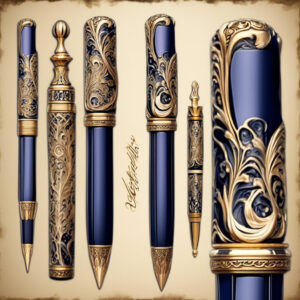
Starting an antique fountain pen business is a rewarding endeavor for those who appreciate craftsmanship, history, and fine writing instruments. With the resurgence of interest in fountain pens among collectors and writers, the market for antique pens continues to grow. However, launching and sustaining a successful business in this niche requires thorough research, strategic planning, and an understanding of the target audience. This article will guide you through the essential steps to establish your own antique fountain pen business, from sourcing and valuation to marketing and sales.
Understanding the Market
Before diving into the business, it’s crucial to conduct market research. Antique fountain pens appeal to collectors, historians, writers, and professionals who appreciate quality craftsmanship. Identifying key demographics will help you tailor your business strategy.
Collectors – These buyers seek rare, limited-edition, or historically significant pens.
Writers and Professionals – Many people still prefer the smooth and elegant writing experience of a fountain pen.
Gift Buyers – Antique fountain pens make luxurious and thoughtful gifts.
Researching competitors will also provide insights into pricing, sourcing strategies, and market demand. Online marketplaces like eBay, Etsy, and specialty pen retailers can serve as valuable resources for understanding industry trends.
Sourcing Antique Fountain Pens
A successful antique fountain pen business depends on acquiring high-quality inventory. There are several avenues for sourcing these valuable pieces:
Estate Sales and Auctions – Many high-end and rare fountain pens are found in estate sales or auction houses.
Online Marketplaces – Websites like eBay and online antique shops offer a variety of vintage pens, though careful inspection and authentication are necessary.
Pen Shows and Collector Events – Attending pen shows allows you to network with collectors and dealers who may offer bulk purchases.
Private Collectors – Building relationships with private collectors can lead to exclusive buying opportunities.
When sourcing pens, condition is paramount. Pens with original nibs, caps, and barrels in good condition are more valuable than those with extensive repairs. Understanding different brands such as Montblanc, Parker, Sheaffer, and Waterman will also help in assessing value.
Authentication and Valuation
Authentication is critical in ensuring the pens you sell are genuine antiques. Factors to consider when authenticating pens include:
Brand Markings and Logos – Verify official logos, serial numbers, and hallmarks.
Material and Craftsmanship – Older fountain pens were often made from ebonite, celluloid, and precious metals.
Nib Inspection – Original gold or iridium-tipped nibs often indicate higher value.
Ink Filling Mechanism – Different eras feature unique filling mechanisms such as lever fillers, piston fillers, or eyedropper systems.
Valuation depends on rarity, condition, brand reputation, and historical significance. Pricing should be competitive with similar antique fountain pens in the market.
Restoring and Maintaining Antique Fountain Pens
Many antique pens require minor restoration before they can be sold. Common restoration techniques include:
Cleaning and Polishing – Use safe cleaning solutions to remove ink stains and restore shine.
Nib Adjustment – Bent or misaligned nibs should be carefully adjusted.
Replacing Sac or Piston Mechanisms – Some older pens may need new ink sacs or piston parts to function properly.
Reconditioning – Avoid over-polishing, as it may reduce collectible value.
If you lack expertise in pen restoration, consider partnering with a professional restorer or taking courses in pen maintenance.
Setting Up Your Business
Once you have sourced and restored pens, it’s time to establish your business structure. Consider the following steps:
Business Registration – Register your business and obtain any necessary licenses or permits.
Creating an Online Presence – Build a professional website and leverage platforms like Instagram, Facebook, and YouTube to showcase your collection.
Photography and Descriptions – High-quality images and detailed descriptions are essential for online sales.
Setting Pricing Strategies – Competitive pricing based on condition and rarity will attract buyers.
Choosing a Sales Platform – You can sell via your website, online marketplaces, or in-person at antique shops and shows.
Marketing and Selling
Marketing your antique fountain pen business is key to attracting customers and building brand credibility. Strategies include:
Content Marketing – Write blogs and create videos about the history and value of antique pens.
Social Media Engagement – Share high-quality images, customer testimonials, and educational content.
Email Newsletters – Keep collectors updated on new arrivals and exclusive offers.
Networking and Trade Shows – Attend pen expos and antique fairs to establish industry connections.
Collaborations – Partner with stationery stores, writers, and influencers to reach a broader audience.
Customer Service and After-Sales Support
Providing excellent customer service ensures repeat business and positive word-of-mouth recommendations. Offer services like:
Authenticity Guarantees – Assure customers of the originality and quality of their purchases.
Return Policies – A fair return policy can build trust with buyers.
Maintenance Tips – Educate customers on proper pen care and ink recommendations.
Repair Services – Offering repair or restoration services can create an additional revenue stream.
Scaling Your Business
Once your business is established, consider ways to expand:
Offering Limited Edition and Rare Finds – Attract collectors by sourcing highly sought-after pieces.
Wholesale and Bulk Deals – Sell to specialty retailers or corporate clients.
Publishing a Collector’s Guide – Establish authority in the industry by creating a guide on antique fountain pens.
Expanding to Related Products – Consider selling ink, pen cases, and writing accessories.
Conclusion
Starting an antique fountain pens business requires passion, knowledge, and dedication. By understanding the market, sourcing quality inventory, providing expert authentication, and implementing effective marketing strategies, you can build a successful and sustainable business. As the demand for vintage and high-quality writing instruments continues to rise, entrepreneurs who commit to excellence and customer service will thrive in this niche industry. Whether you start as a small online retailer or aspire to open a brick-and-mortar store, the journey of dealing in antique fountain pens is as rewarding as it is lucrative.