

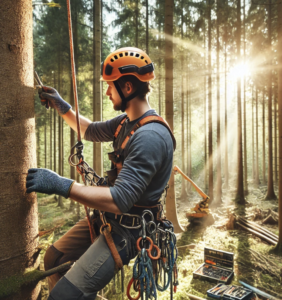
Starting an arborist business blends skilled trade work, safety culture, and smart operations. It can grow into a steady, respected local company when it is built on consistent service, clear pricing, reliable scheduling, and a reputation for clean, professional job sites. This guide lays out the core pieces to get set up the right way, avoid common early mistakes, and create a business that can scale without sacrificing quality. 🌿
Choose a Clear Service Lane and Build Demand Around It
An arborist business becomes easier to sell and easier to run when the services are defined from day one. Tree work can range from pruning and removals to plant health care, cabling and bracing, storm work, and risk assessments. Many new companies start too broad, then struggle with estimating, equipment planning, and staffing because every job requires a different setup.
A strong approach is to pick one or two primary “money services” and one supporting service. For many markets, pruning and removals are the foundation, with stump grinding, debris hauling, and storm response as add-ons. A second lane can be plant health care or consultations, which often leads to recurring work and referrals. This kind of intentional focus keeps marketing simple, builds recognizable expertise, and reduces the chaos that kills margins in the first year.
Small business fundamentals apply here the same as any other local service company, including capacity planning, pricing discipline, and steady lead flow. A helpful backdrop for the role small businesses play in the economy is the Wikipedia overview on Small business. Wikipedia
Get Qualified, Then Make Safety the Center of the Brand
Tree work is high-risk work. The companies that last treat safety as the product, not as a checklist. Training, credentials, and consistent jobsite systems protect the team and also protect profitability. Fewer accidents, fewer damaged properties, fewer equipment failures, and fewer callbacks create a business that can scale without constant firefighting.
A clean way to build credibility early is to pursue recognized training and keep improving. Even before a full crew is hired, set operating standards for PPE, pre-job briefings, rigging protocols, traffic control, and equipment checks. A safety-first identity becomes a marketing advantage because customers remember the company that looked organized, protected their home, and left the site spotless.
Set Up the Business Structure, Insurance, and Compliance Early
Before taking on larger removals, commercial work, or municipal bids, the business foundation needs to be solid. The right legal structure, licensing, and insurance reduce personal risk and make it easier to open accounts, qualify for financing, and work with property managers.
Key areas to lock down include:
-
A registered business entity and business bank account separation
-
A clear contract and estimate template
-
General liability and workers’ compensation planning
-
Vehicle coverage and equipment coverage
-
Local permits and disposal requirements
Business reporting consistently emphasizes that preparation and structure reduce failure risk. Long-running startup basics coverage from Reuters highlights planning areas like legal structure, insurance needs, equipment requirements, and recordkeeping discipline in early-stage businesses. Starting a Business: Start-Up Basics. Reuters
Buy Equipment in Phases to Protect Cash Flow
Equipment is where arborist businesses either accelerate or get stuck. Buying too much too early drains cash, while buying too little can limit job size and create scheduling bottlenecks. A phased approach keeps growth controlled.
Phase one often includes:
-
Reliable truck and trailer setup
-
Chainsaws, climbing gear, rigging basics, blowers, rakes, tarps
-
A jobsite system for cones, signage, plywood protection, and cleanup
-
Basic maintenance tools and spare parts strategy
Phase two often includes:
-
Wood chipper matched to typical job volume
-
Mini skid steer or compact loader for brush handling and heavy lifting
-
Stump grinder if the market supports it consistently
Phase three often includes:
-
Bucket truck or crane partnerships
-
Larger chipper, additional trucks, and dedicated dump capacity
Business guidance from Bloomberg’s Businessweek archives has long emphasized cost control and profitability discipline in the early stages of a company. Crucial Steps to Getting Started. Bloomberg
Price for Profit, Not for Hope
Pricing is the difference between a busy arborist and a profitable arborist. Tree work has hidden costs that new owners undercount: disposal fees, blade sharpening, chains, fuel, repairs, downtime, driving time, payroll taxes, insurance, and the reality that weather reshuffles schedules.
A strong pricing system includes:
-
A minimum job price that covers mobilization and cleanup
-
A production-based approach for pruning and removals
-
Add-on pricing for hazards, access limits, and tight rigging conditions
-
Clear assumptions in the estimate about exclusions and scope
Many businesses fail because they start with low prices to “get traction,” then never reset. A better path is fair pricing that matches professional standards, paired with excellent customer experience and clean communication. That combination wins jobs without racing to the bottom.
Build Simple Operations That Customers Can Feel
Customers judge an arborist business on professionalism as much as results. Operational consistency becomes your quiet sales engine. Simple systems improve speed, reduce mistakes, and make every job easier to deliver.
Foundational systems include:
-
Scheduling blocks that account for travel, setup, and weather
-
A written checklist for arrival, protection, cutting plan, cleanup, and final walk-through
-
Photo documentation before and after
-
A process for collecting payment quickly and politely
-
A referral and review request sent at the right moment
Operations are not corporate fluff. They are the difference between a crew that finishes strong and a crew that limps to the truck at sunset with a half-clean yard.
Market Like a Local Pro, Then Let Reputation Multiply It
Arborist marketing works best when it is grounded in local visibility and trust. Most customers hire tree companies when a problem becomes urgent, and they pick the company that feels safe and legitimate. That means consistent local presence, strong reviews, clear service pages, and proof of work through photos.
High-performing channels typically include:
-
Google Business Profile optimization and steady reviews
-
Local service ads or paid search where it makes sense
-
Neighborhood referral networks and property manager relationships
-
Partnerships with landscapers, roofers, and restoration companies
-
Branded trucks, jobsite signage, and clean uniforms
Small business media often emphasizes that disciplined execution and reputation-building matter more than hype. The Wall Street Journal’s guidance on navigating small business challenges reflects that practical reality. The Small Business Survival Guide. Wall Street Journal
Manage Money Weekly and Build Credit Intentionally
Tree businesses can look profitable while cash is leaking out through repairs, seasonality, and slow-paying invoices. Weekly money management keeps the company stable. A simple weekly rhythm includes reviewing upcoming payroll, expected deposits, fuel and disposal costs, and equipment needs.
Separating personal and business finances is a non-negotiable. Establishing business credit, building vendor relationships, and keeping clean records make it easier to finance equipment later without straining cash. Investopedia’s business coverage lays out practical steps for building business credit and keeping financing options open. A Comprehensive Guide to Establishing Business Credit. Investopedia
Hire Slow, Train Hard, and Protect the Culture
The first hires shape the company. Arborist work demands discipline, good judgment, and teamwork. Hiring too fast leads to accidents, customer complaints, and spiraling turnover. The strongest path is steady hiring paired with consistent training, clear expectations, and a culture that rewards doing things right.
A healthy crew culture includes:
-
Defined roles on the jobsite and strong communication habits
-
Training time built into the schedule
-
Equipment accountability and maintenance routines
-
A pay structure that rewards reliability and skill growth
Sustainable companies are built by leaders who treat people well and run tight systems, not by leaders who chase speed at any cost.
Conclusion
Starting an arborist near me business is a serious move, and it pays off when it is built on safety, clear services, disciplined pricing, and repeatable operations. The early goal is not to do every job available. The early goal is to do the right jobs profitably, deliver a professional experience every time, and build a reputation that keeps demand steady through every season. With phased equipment growth, smart money management, and consistent local marketing, a small tree company can turn into a durable brand that customers trust and crews are proud to represent. 🌳💪
For a grounded view of the broader startup reality and what makes businesses last, business reporting like The Guardian’s coverage on startup survival reinforces how much long-term success comes down to preparation, expectations, and steady execution. Two-thirds of startups don’t last 10 years. The Guardian