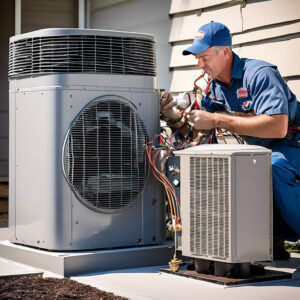
The demand for heating, ventilation, and air conditioning (HVAC) services continues to grow across the United States, and San Jose, California, is no exception. As one of the largest cities in Silicon Valley, San Jose offers a unique opportunity for entrepreneurs looking to establish a thriving heating and air conditioning repair business. With its mix of residential homes, commercial spaces, and high-tech companies, there is no shortage of potential clients. This guide will walk you through the essential steps to start your HVAC business in San Jose, ensuring you set a solid foundation for success.
The HVAC Industry in San Jose
San Jose’s climate, while generally mild, still experiences seasonal variations that make heating and cooling systems essential. Summers can be warm, with temperatures often reaching the high 80s or 90s, while winters, though not harsh, can be cool enough to require heating. The combination of weather conditions, population growth, and the city’s status as a tech hub means there is a consistent demand for HVAC installation, maintenance, and repair services.
Moreover, many residential and commercial properties in San Jose are aging, increasing the need for system upgrades and repairs. The city also has stringent environmental regulations, making energy-efficient HVAC systems a priority for homeowners and businesses. For aspiring entrepreneurs, these factors combine to create a promising market for HVAC services.
Steps to Start a Heating and Air Conditioning Repair Business in San Jose
Research the Market
Before diving into any business, it’s crucial to understand your target market. For San Jose, this involves:
Identifying your potential customer base, including homeowners, property managers, and commercial property owners.
Analyzing your competitors. Research existing HVAC companies in San Jose to understand their strengths, weaknesses, and pricing models.
Keeping an eye on local trends, such as the shift toward energy-efficient systems and smart home technology.
Develop a Business Plan
A comprehensive business plan serves as the roadmap for your venture. Key components should include:
Mission Statement: Define the purpose and goals of your business.
Market Analysis: Highlight your target audience and competitive landscape.
Services Offered: Decide whether you will focus on repairs, installations, maintenance, or a combination of these services.
Pricing Strategy: Establish rates that are competitive yet profitable.
Marketing Plan: Outline how you’ll attract and retain customers.
Financial Projections: Estimate startup costs, revenue, and profitability over the first few years.
Obtain Licensing and Certifications
In California, HVAC contractors are required to obtain a C-20 Warm-Air Heating, Ventilating, and Air-Conditioning Contractor License from the Contractors State License Board (CSLB). To qualify, you must:
- Have at least four years of journeyman-level experience in HVAC work.
- Pass a written exam that covers trade knowledge, laws, and business practices.
Additionally, consider obtaining certifications from organizations like North American Technician Excellence (NATE) or the Environmental Protection Agency (EPA) to boost your credibility.
Secure Financing
Starting an HVAC business requires a significant upfront investment. Expenses include tools, equipment, vehicles, insurance, and marketing. Consider your financing options, such as:
- Personal savings or loans from family and friends.
- Small business loans from banks or credit unions.
- Grants or loans specifically for small businesses, such as those offered by the Small Business Administration (SBA).
Purchase Equipment and Tools
Invest in high-quality tools and equipment to ensure you can handle a wide range of HVAC tasks. Essential items include:
- Refrigerant recovery machines
- HVAC software for diagnostics
- Leak detectors
- Pipe benders and cutters
- Safety gear
- Service vehicles equipped with storage for tools and parts
Hire Qualified Technicians
As your business grows, you’ll need to build a reliable team of HVAC technicians. Look for candidates with:
- Relevant certifications (e.g., NATE, EPA)
- Strong technical skills and problem-solving abilities
- Good communication and customer service skills
Provide ongoing training to keep your team updated on the latest industry trends and technologies.
Register Your Business
To operate legally in San Jose, you must:
Choose a business structure (e.g., sole proprietorship, LLC, corporation) and register it with the California Secretary of State.
Obtain an Employer Identification Number (EIN) from the IRS.
Apply for a San Jose business license and ensure compliance with local zoning laws.
Market Your Services
Effective marketing is essential to attract customers. Consider the following strategies:
Create a Professional Website: Highlight your services, credentials, and customer testimonials.
Leverage SEO and PPC Advertising: Optimize your website for search engines and invest in pay-per-click ads to increase visibility.
Social Media Marketing: Use platforms like Facebook and Instagram to engage with your audience and promote special offers.
Networking: Build relationships with local realtors, property managers, and contractors who can refer clients to you.
Local Advertising: Advertise in community newspapers, online directories, and local radio stations.
Focus on Customer Service
Exceptional customer service is key to building a loyal client base. Ensure you:
- Respond promptly to inquiries and service requests.
- Communicate clearly about pricing, timelines, and expectations.
- Follow up with customers to ensure satisfaction.
Stay Compliant with Environmental Regulations
California has some of the strictest environmental laws in the country. Stay informed about regulations related to refrigerants, energy efficiency, and waste disposal to avoid penalties and appeal to eco-conscious customers.
Challenges and Opportunities
Challenges
Starting an HVAC business in San Jose comes with its share of challenges, including:
- High startup and operating costs due to the city’s cost of living.
- Intense competition from established HVAC companies.
- Navigating California’s regulatory landscape.
Opportunities
Despite these challenges, there are significant opportunities, such as:
- The growing demand for energy-efficient and smart HVAC systems.
- The potential to secure long-term contracts with tech companies and property managers.
- Building a reputation for excellent service in a city where word-of-mouth referrals are highly valued.
Conclusion
Starting a San Jose heating and air conditioning repair business is a promising endeavor, but it requires careful planning, hard work, and a commitment to excellence. By conducting thorough market research, obtaining the necessary licenses and certifications, investing in high-quality equipment, and prioritizing customer service, you can establish a successful HVAC business that thrives in this dynamic market. With the right approach, your company can become a trusted name in the San Jose community, serving residents and businesses for years to come.